

Autism Doesn’t Only Affect Therapy Sessions
If you’ve been following this guide from the beginning, we’ve talked about understanding autism, communication, sensory processing, behaviour, and therapies.
But here’s something I wish someone had told me much earlier.
Most of your child’s progress doesn’t happen during therapy sessions.
It happens during everyday life.
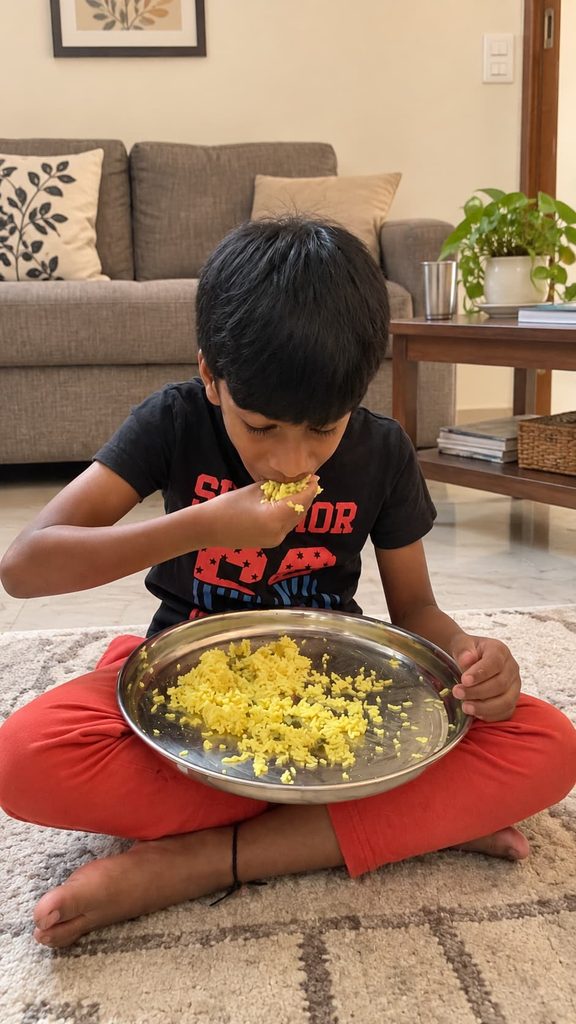
It happens during breakfast.
During bedtime.
During shopping trips.
During family gatherings.
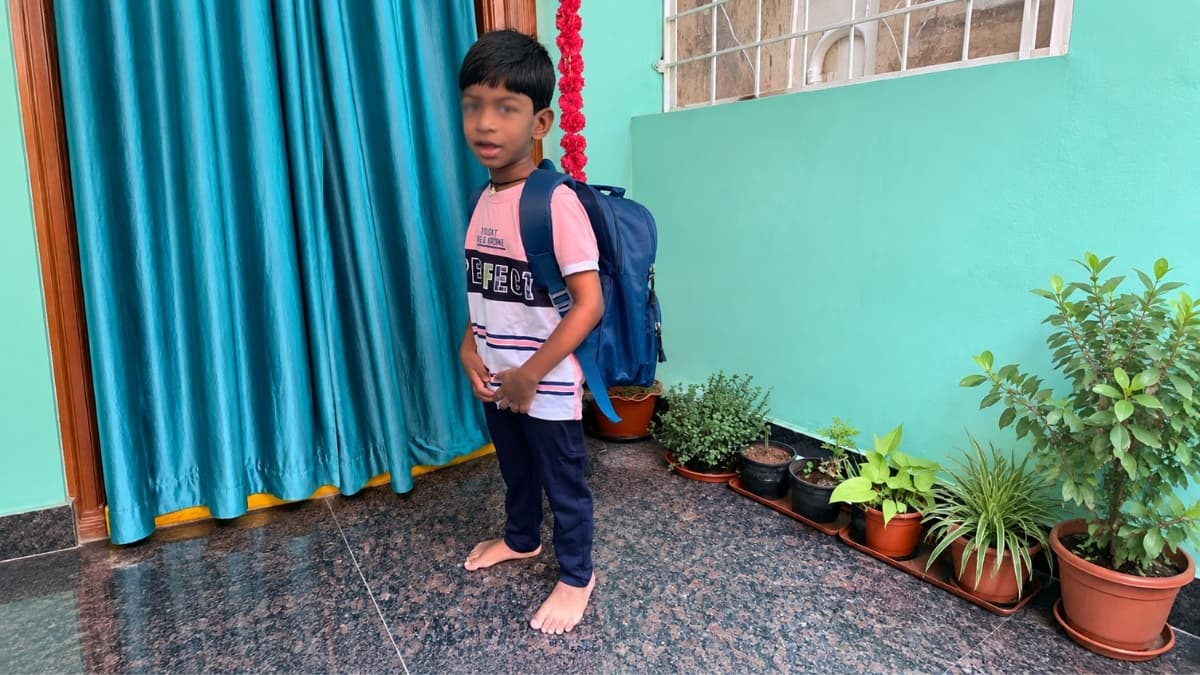
During school mornings.
During car rides.
Those ordinary moments slowly become the biggest opportunities to help our children learn.
As parents, we often think,
“If only we could have one more therapy session each week.”
But over time, I realized something much more powerful.
Even if Suhas had several therapy sessions every week, he still spent far more time with us than with any therapist.
That means our home became his biggest learning environment.
Not because we were experts.
But because we were present.
Daily Life Is Where Real Learning Happens
When I first started this journey, I thought learning happened inside therapy rooms.
Now I see it differently.
Autism school support – Everyday routines teach children:
- Communication
- Independence
- Flexibility
- Problem-solving
- Self-care
- Emotional regulation
- Social skills
That’s why I no longer see daily life as “time between therapies.”
Daily life is therapy.
Not in a formal way.
But in a meaningful way.
Sleep and Autism
One of the topics parents ask about most is sleep.
If your child struggles to fall asleep…
Wakes several times during the night…
Gets up very early…
Or seems to have endless energy when everyone else is exhausted…
Please know you’re not alone.
Sleep challenges are common in autistic children.
According to research from organizations such as the American Academy of Pediatrics (AAP) and the National Institutes of Health (NIH), autistic children are more likely than their peers to experience sleep difficulties. These may include trouble falling asleep, staying asleep, or maintaining a consistent sleep schedule.
Poor sleep doesn’t just affect children.
It affects the whole family.
Parents become exhausted.
Siblings are disturbed.
Daily routines become harder.
Why Sleep Can Be Difficult
There isn’t one single reason.
Sometimes it’s sensory sensitivity.
Sometimes anxiety.
Sometimes difficulty switching from an active body to a calm body.
Sometimes medical issues such as reflux, constipation, or sleep disorders may also play a role.
If sleep problems are persistent, it’s worth discussing them with your child’s healthcare provider.
What Helped in Our Home
One thing we gradually learned with Suhas was the importance of predictability.
Instead of expecting him to suddenly know that bedtime had arrived, we created a simple routine.
Dinner.
Quiet play.
Bath.
Story.
Lights dimmed.
Bed.
The routine didn’t solve everything overnight.
But repeating the same pattern each evening helped him understand what was coming next.
That predictability reduced stress for all of us.
Every child is different, but consistent bedtime routines are supported by sleep experts because they help signal to the brain that it’s time to wind down.
Gentle Sleep Tips
Some ideas that many families find helpful include:
- Keeping bedtime consistent.
- Reducing bright screens before sleep.
- Creating a calm bedroom environment.
- Using visual bedtime routines.
- Offering calming activities such as reading together.
- Avoiding highly stimulating play just before bedtime.
Small changes often work better than trying everything at once.
Feeding Challenges
Meal times can become one of the most stressful parts of parenting.
Some autistic children eat only a few foods.
Others refuse foods because of texture.
Some avoid certain colours.
Some dislike mixed foods.
Some prefer foods arranged in a particular way.
When this first happened with Suhas, I worried he was simply becoming “too picky.”
Later I learned that food preferences are often connected to sensory processing.
For some children, the texture of mashed potatoes may feel overwhelming.
Crunchy foods may feel safer.
Others may prefer soft foods.
The important thing is understanding that many feeding challenges are not about being stubborn.
They’re about how food is experienced.
Should Parents Force New Foods?
This is a question I hear often.
It’s natural to want children to eat a wider variety of foods.
But forcing food can sometimes increase anxiety around eating.
Instead, many feeding specialists recommend gradual exposure.
For example:
- Let the child see the food.
- Then touch it.
- Then smell it.
- Then lick it.
- Eventually taste it.
Progress may happen in very small steps.
And that’s okay.
If feeding difficulties are affecting nutrition, growth, or hydration, it’s important to seek advice from your pediatrician or a qualified feeding specialist.
Toilet Training
Toilet training can feel overwhelming for many families.
Some autistic children learn quickly.
Others need much more time and repetition.
One of the biggest lessons we learned is that toilet training isn’t just about age.
It’s about readiness.
Children benefit from understanding routines, recognizing body signals, communicating needs, and feeling comfortable in the bathroom environment.
Some children may also have sensory sensitivities related to toilets, flushing sounds, or different bathroom environments.
Practical Toilet Training Tips
Many families find these ideas helpful:
- Use a consistent schedule.
- Keep the routine simple.
- Use visual supports if helpful.
- Celebrate success without pressure.
- Expect accidents as part of learning.
- Be patient.
Progress may take weeks or months.
That doesn’t mean you’re failing.
School
Choosing a school may become one of the biggest decisions your family makes.
Parents often ask me,
“Should my child go to a mainstream school or a special school?”
There isn’t one answer that fits every child.
The right choice depends on many factors, including:
- Your child’s communication skills.
- Learning style.
- Support needs.
- Availability of services.
- Teacher understanding.
- School environment.
The goal isn’t finding the “perfect” school.
It’s finding a place where your child can learn, participate, and feel accepted.
Working Together with Teachers
One thing that helped us was remembering that teachers want children to succeed too.
Sharing information about your child’s strengths, interests, sensory needs, and communication style can make a big difference.
Simple updates between parents and teachers help everyone work toward the same goals.
When home and school support each other, children often benefit.
Why Routines Matter
If I had to choose one strategy that helped our family the most, it would probably be building predictable routines.
Many autistic children feel more comfortable when they know what to expect.
Imagine waking up every day without knowing what will happen next.
That uncertainty would be stressful for anyone.
Predictable routines reduce that uncertainty.
They don’t remove flexibility from life.
They simply create a stable foundation.
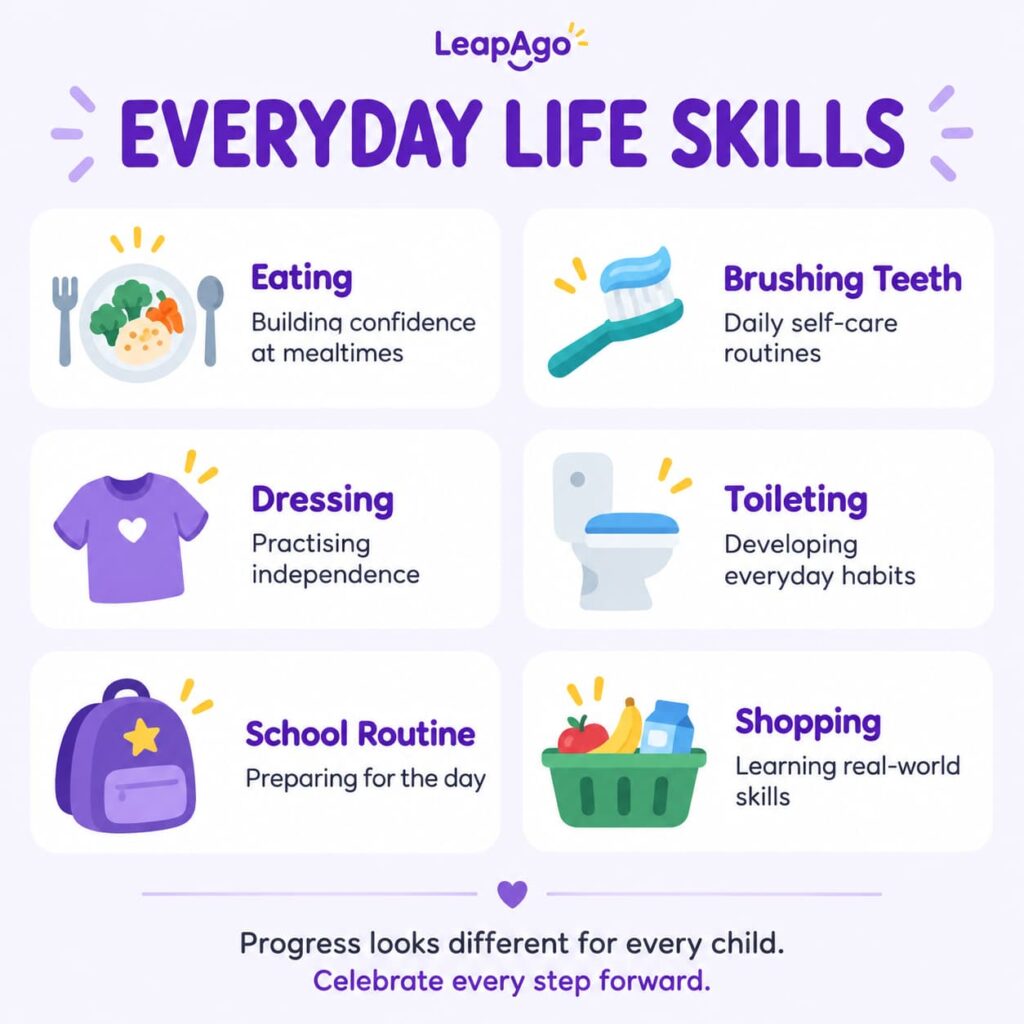
A Simple Daily Routine
Every family is different, but a routine might include:
Morning
- Wake up
- Toilet
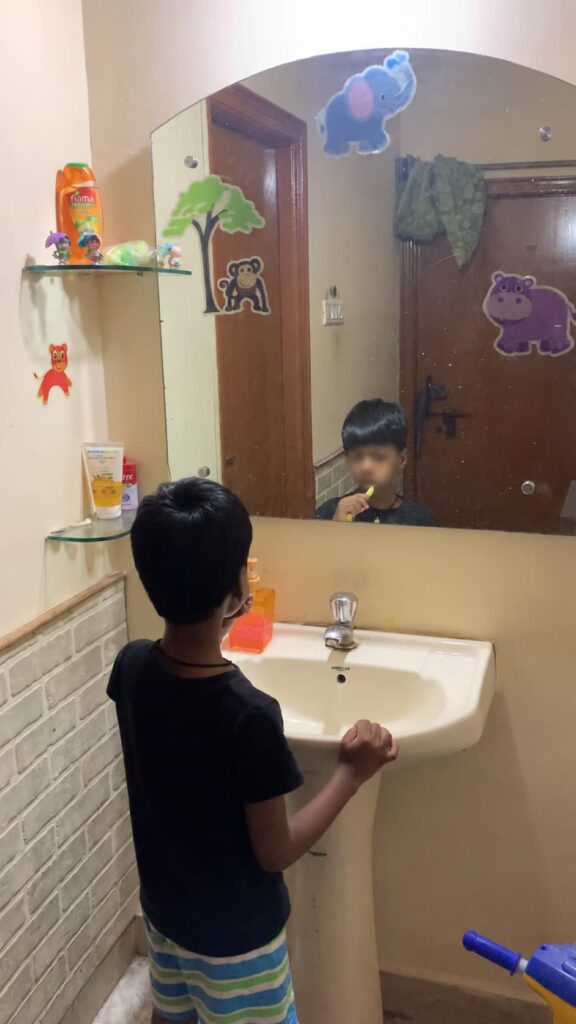
- Brush teeth
- Breakfast
- Get dressed
- School
After School
- Snack
- Movement break
- Homework or therapy
- Free play
Evening
- Dinner
- Family time
- Bath
- Story
- Bed
The routine doesn’t need to be perfect.
It just needs to be predictable.
Visual Schedules
Many autistic children understand visual information more easily than spoken instructions.
Simple picture schedules can help children know:
- What’s happening now.
- What’s happening next.
- When an activity is finished.
This often reduces anxiety and makes transitions easier.
Travelling with an Autistic Child
If you’ve ever cancelled a family outing because you were worried about how your child might react, I understand.
We’ve been there too.
Travel doesn’t have to mean international holidays.
Sometimes even going to the grocery store can feel like a major event.
The good news is that preparation often helps.
Travel Tips
Before leaving home:
- Tell your child where you’re going.
- Use pictures if helpful.
- Pack favourite comfort items.
- Carry snacks and water.
- Bring sensory tools if your child uses them.
- Allow extra time.
During the trip:
- Look for quiet spaces if your child becomes overwhelmed.
- Take movement breaks.
- Keep expectations realistic.
Remember:
A successful trip doesn’t have to be a perfect trip.
Sometimes success simply means everyone made it home feeling supported.
Family Gatherings and Social Events
Many parents feel pressure during weddings, birthdays, festivals, or family functions.
People may not understand why your child behaves differently.
Some may offer advice you didn’t ask for.
Others may make comparisons.
One thing I’ve learned is that our job isn’t to meet other people’s expectations.
Our job is to support our child.
Sometimes that means leaving early.
Sometimes it means taking breaks.
Sometimes it means saying “no” to an invitation.
That’s okay.
Protecting your child’s wellbeing isn’t rude.
It’s responsible parenting.
What Research Tells Us
Organizations such as the American Academy of Pediatrics, CDC, WHO, and NIEPID consistently highlight that structured routines, supportive environments, responsive communication, and active family involvement can improve participation in daily life.
Rather than focusing only on therapy hours, these organizations encourage families to build learning opportunities into everyday routines.
That approach aligns with what we’ve experienced at home too.
The little moments matter.
Key Takeaways
If you remember one thing from this chapter, let it be this:
You don’t have to turn your home into a therapy center.
Your child doesn’t need every minute scheduled.
They need a home where they feel safe.
Loved.
Understood.
Where everyday moments become opportunities to learn.
Breakfast can teach communication.
Bath time can teach routines.
Shopping can teach flexibility.
Playing together can teach social skills.
Daily life is where many of the most meaningful lessons happen.
💙 A Note From One Parent to Another
Some days you’ll feel like nothing is going according to plan.
Bedtime will be difficult.
Breakfast will be refused.
The school bag will still be unpacked at dinner.
The outing you planned won’t happen.
I’ve had those days too.
When that happens, I remind myself of something simple.
Our goal isn’t to create perfect days.
It’s to create a childhood filled with love, patience, and opportunities to grow.
Progress doesn’t happen because every day is easy.
Progress happens because we keep showing up, even on the difficult days.
If you’re reading this after a challenging day, I hope you remember one thing:
Tomorrow is another chance.
And sometimes one ordinary day can become an extraordinary step forward.
—
Sridhar K
Founder, LeapAgo
📖 What’s Included in This Guide
This guide is designed to be read in order. Each part builds on the previous one to help you understand autism and support your child with greater clarity.
○ Part 1 – What Is Autism?
○ Part 2 – Early Signs of Autism
○ Part 3 – Communication and Speech
○ Part 4 – Sensory Processing and Behaviour
○ Part 5 – Understanding Therapies
📍YOU ARE HERE
Part 6 – Daily Life with Autism
Current Article
○ Part 7 – Looking After Yourself as a Parent
○ Part 8 – Frequently Asked Questions
○ Part 9 – Autism Resources in India